
The game that became a cultural shorthand
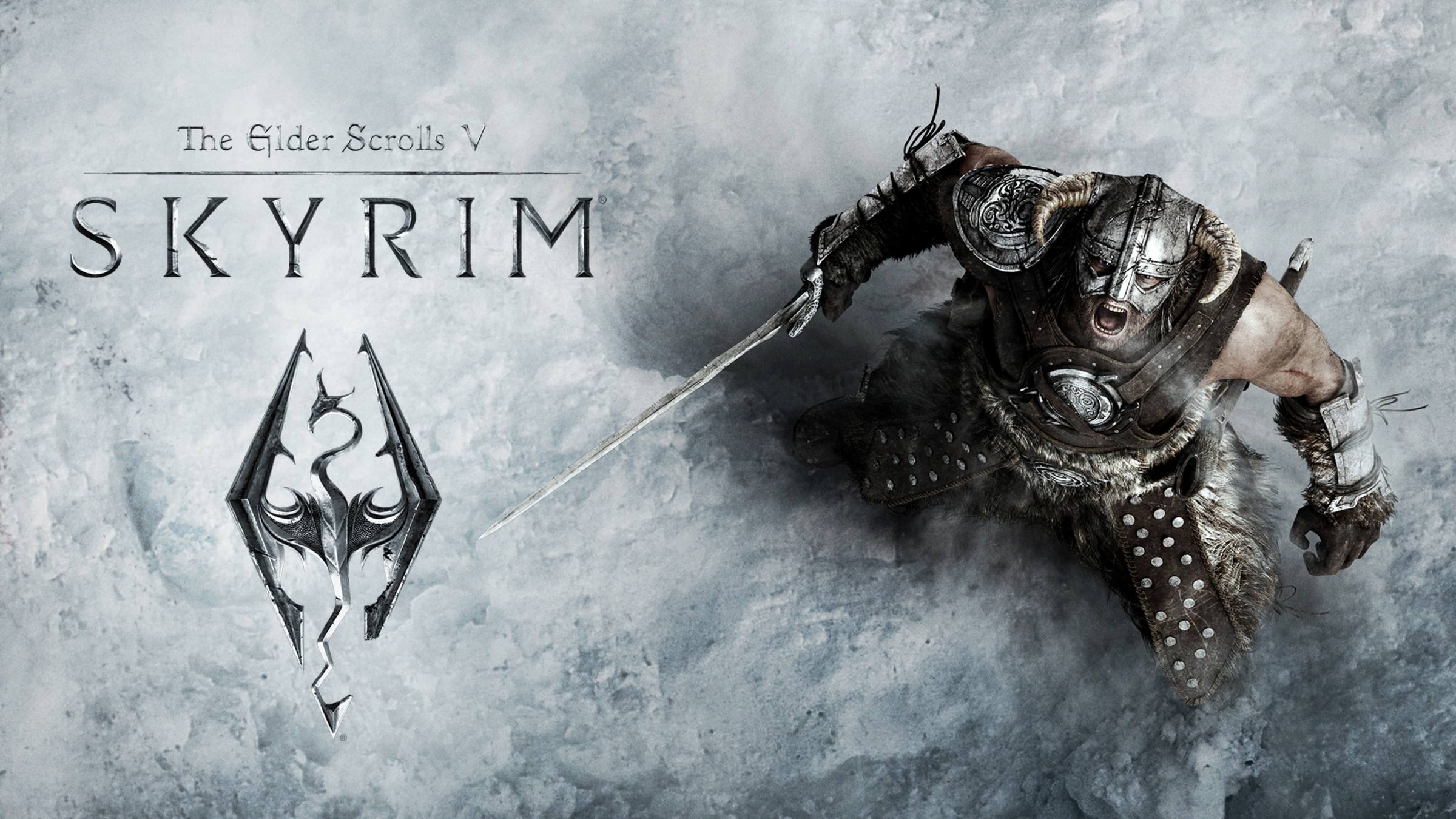
Skyrim didn't just sell well, it became a reference point far outside gaming, from jokes about taking an arrow to the knee to being re-released on nearly every platform imaginable in the years since 2011. Set two hundred years after Oblivion, it drops the player into a province gripped by civil war just as dragons, thought extinct, begin returning to the world.
What changed under the hood
Skyrim simplified some systems from earlier games (attributes were removed in favor of a more streamlined perk tree) while expanding others considerably, especially exploration. Its Radiant Story system generated dynamic quests based on the player's choices and relationships, and its combat, while still not the series' strongest point, felt noticeably more responsive than Oblivion's.
A story built around identity, not just an invasion
Where Oblivion's plot was about repelling an external threat, Skyrim's is more personal: the player is Dragonborn, a mortal with the soul of a dragon, which the game builds its entire main questline and eventual confrontation with the dragon god Alduin around. That framing made the power fantasy feel earned rather than just handed to the player.
Why it still hasn't left
Skyrim has been re-released as a Legendary Edition, a Special Edition, a Switch port, and a VR version, among others, and each release found a new audience. Its modding community remains one of the largest and most active in gaming, which alone has kept the game relevant well over a decade after launch. For a huge number of players, this is simply what "Elder Scrolls" means, and that's not likely to change before The Elder Scrolls VI arrives.
Ready to become the Dragonborn?
Check Current Price
Want to see how Skyrim stacks up against the rest of the series? Check the full ranking of all 8 Elder Scrolls games, or head back to the complete lineup in order.