

Cyrodiil, and a much bigger audience
Oblivion moved the series to the Imperial heartland of Cyrodiil and, just as importantly, to the Xbox 360 alongside PC. That console release put Elder Scrolls in front of a far wider audience than Morrowind ever reached, and the game backed it up with a genuine technical leap: a physics engine, considerably better graphics for the time, and a much stronger sense that the world kept moving even when the player wasn't watching.
The Radiant AI experiment
Oblivion's most talked-about system on release was Radiant AI, which gave NPCs their own schedules, needs, and reactions instead of static routines. It didn't always work as intended (NPCs occasionally did bizarre things, like attacking each other over stolen vegetables), but the ambition behind it pushed the whole genre toward more believable simulated worlds.
The story: an empire under siege
The main quest follows the player helping to close a series of Oblivion Gates opened by Mehrunes Dagon's forces after the Emperor's assassination throws the Empire into crisis. It's a more straightforwardly heroic, save-the-world story than Morrowind's slower-burn political mystery, which is part of why it landed so well with a broader audience.
Should you play it today?
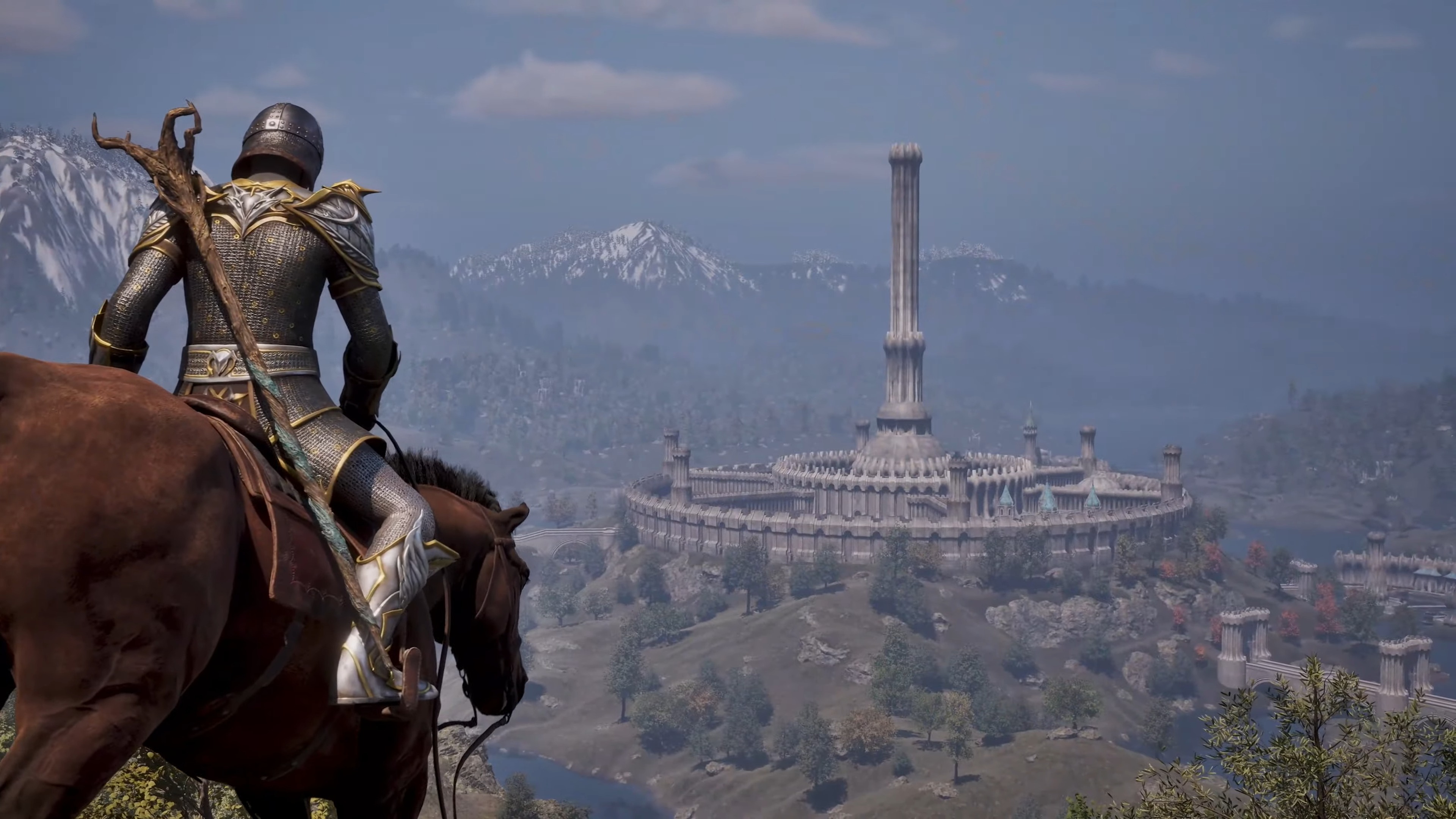
Absolutely, and it's aged better than people sometimes expect. The core quests, especially the Dark Brotherhood and Thieves Guild storylines, are still regularly cited as some of the best writing in the series. A modernized version has also brought renewed attention to Oblivion for newer players who skipped straight to Skyrim.
Want to relive the Daedric invasion of Cyrodiil?
Check Current Price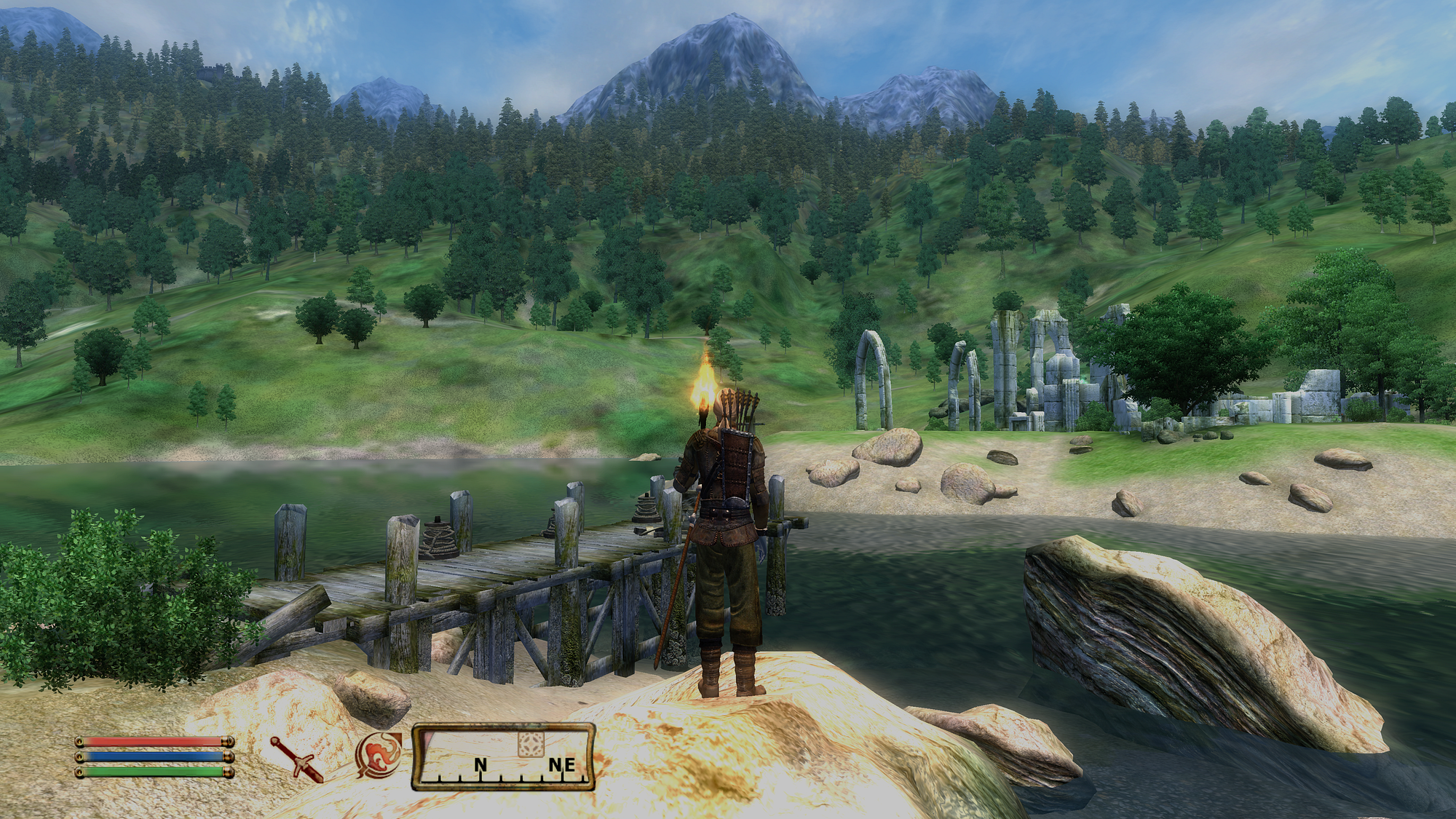
Want to see how Oblivion stacks up against the rest of the series? Check the full ranking of all 8 Elder Scrolls games, or head back to the complete lineup in order.